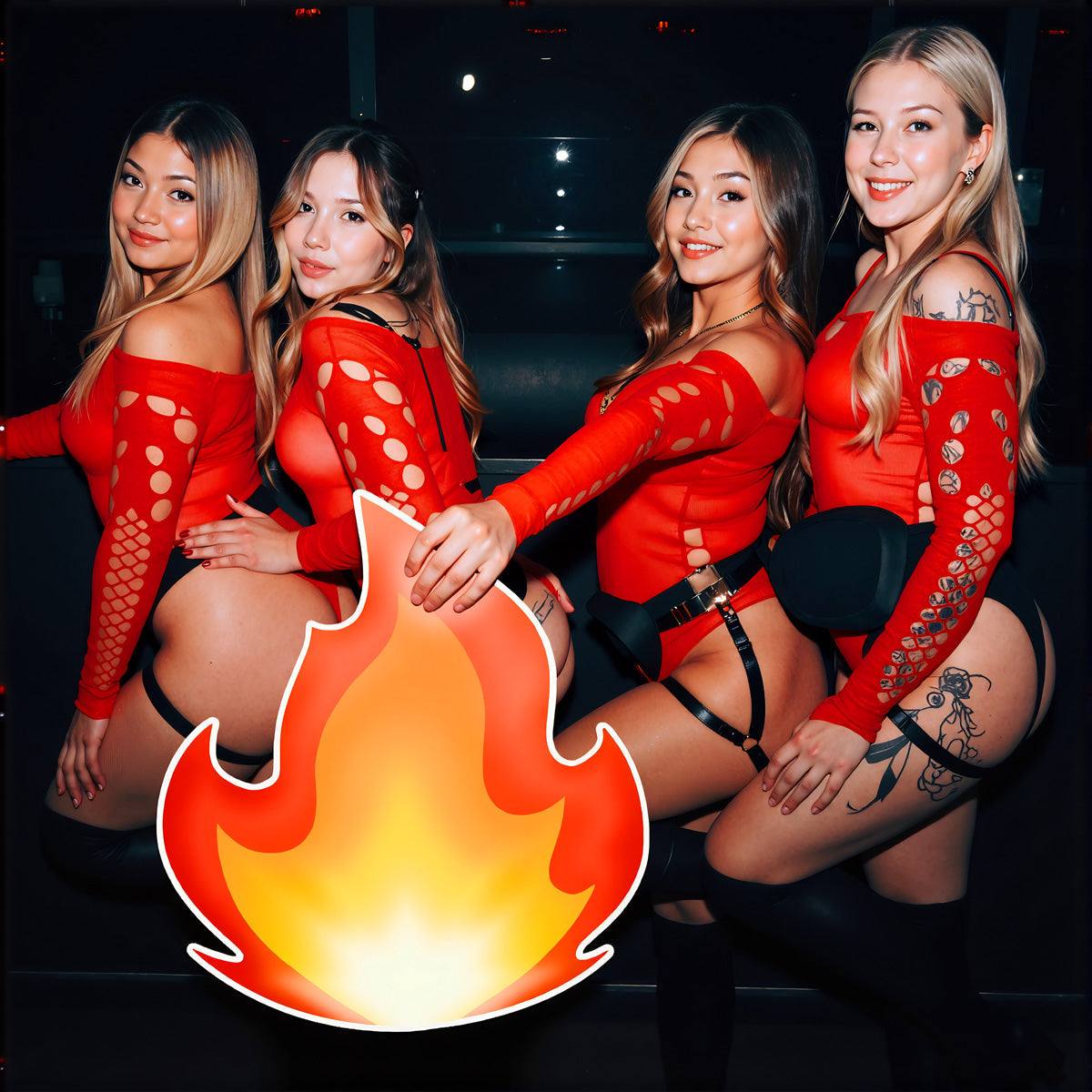


Walk into any packed nightclub and you will feel it instantly. The bass hits first. The crowd reacts. Drinks go up. Phones come out. The music is not just background sound. It is the engine that drives the entire nightlife experience.
Club music is designed to keep people moving, drinking, and staying longer. The right playlist can turn an average venue into a destination and turn first time guests into regulars, especially when paired with strong branding and top nightclub event themes and concepts.
Whether you are a clubgoer, DJ, party planner, or nightclub owner, this guide explains exactly what music is played in nightclubs, what songs are popular right now, and how top venues build playlists that keep dance floors full all night. You will learn what kind of music nightclubs play, the most popular club music genres, the best club songs right now, what DJs actually spin in clubs, and how to choose the right sound for your venue.
Nightclub Music Guide Navigation
Use the links below to jump to any section of this nightclub music guide.
What Kind of Music Do Nightclubs Play?
Most Popular Music Genres in Nightclubs
Best Club Songs Right Now (2025 to 2026)
What Music to Play at Your Nightclub
How DJs Choose Music for Nightclubs
How Nightclub Music Impacts Bottle Service

What Kind of Music Do Nightclubs Play?
Most nightclubs play high-energy dance music built around heavy bass, clean transitions, and familiar hooks. The goal is simple. Keep the crowd moving and keep the energy rising.
While every venue has its own identity, modern nightclubs typically rotate between a few core music styles throughout the night to control the room and maintain momentum.
The most common music played in nightclubs includes:
• EDM and electronic dance music
• House and tech house
• Hip-hop and trap
• Latin and reggaeton
• Afrobeats and Amapiano
• Pop and dance remixes
• Throwback club classics
Some clubs specialize in a single sound, such as EDM superclubs or hip-hop lounges. Others use open-format DJs who blend multiple genres to keep every type of guest engaged and the dance floor full from open to close.
Most Popular Music Genres in Nightclubs
Modern nightclub music is built around rhythm, bass, energy control, and familiarity. The best clubs do not just play songs. They program club music strategically to guide the crowd from warm-up to peak hours and into a smooth closing.
These are the core genres that dominate nightlife worldwide.
EDM and House Club Music
EDM and house club music dominate festival-style venues, Vegas superclubs, and large dance floor rooms. These genres are designed for peak-hour energy and high-impact production moments.
Big drops, rolling basslines, and driving rhythm turn dance floors into full-body experiences. This sound defines modern superclub culture around the world.
Artists regularly played in EDM and house clubs:
Tiësto, John Summit, Fisher, Calvin Harris, James Hype, Peggy Gou
Why EDM and house club music works:
• Builds massive crowd reactions during drops
• Keeps BPM consistent for long dance sessions
• Syncs perfectly with lighting and visuals
• Drives peak-hour bottle service moments
Hip-Hop and Trap Club Music
Hip-hop club music is the backbone of VIP nightlife and bottle service culture. This is the sound of luxury tables, birthday celebrations, and high-spending crowds.
These records create call-and-response moments, heavy bass movement, and nonstop sing-along energy. Hip-hop keeps guests ordering bottles and staying late.
Artists you hear in hip-hop clubs:
Drake, Future, Travis Scott, 21 Savage, Lil Baby, Nicki Minaj, Sexyy Red
Why hip-hop club music dominates VIP rooms:
• Creates strong emotional crowd connection
• Drives bottle service momentum
• Builds social media moments
• Keeps energy high without overwhelming the room
Latin and Reggaeton Club Music
Latin club music is one of the fastest growing nightclub formats in the world. Reggaeton, Latin pop, and Latin trap keep dance floors full from open to close.
These genres generate nonstop movement and high bar sales. Latin club music is now a core revenue driver for many venues.
Artists dominating Latin club nights:
Bad Bunny, Karol G, Feid, Rauw Alejandro, Peso Pluma, Anitta
Why Latin club music fills rooms:
• Continuous rhythm keeps dancers moving
• Appeals to mixed crowds and tourists
• Works perfectly for high-volume weekends
• Keeps energy consistent all night
Afrobeats and Amapiano Club Music
Afrobeats club music brings smooth global energy into modern nightlife. Amapiano adds deep bass and hypnotic rhythm to the club experience.
These genres are especially popular in upscale lounges and international clubs. They blend perfectly into house, R&B, and crossover sets.
Artists commonly played in Afrobeats clubs:
Burna Boy, Rema, Wizkid, Davido, Tyla, Uncle Waffles
Why Afrobeats and Amapiano club music works:
• Creates a sophisticated international vibe
• Blends smoothly into mixed-format sets
• Keeps the crowd dancing without overwhelming tempo
• Adds cultural identity to the venue
Pop and Dance Remix Club Music
Pop remix club music helps DJs unite every guest on the dance floor. These tracks are familiar, emotional, and high-energy when edited for clubs.
They are often used as resets between heavy EDM or hip-hop blocks. Pop club music keeps casual and first-time guests fully engaged.
Artists you hear in pop club remixes:
Dua Lipa, Doja Cat, Ariana Grande, Tate McRae, Taylor Swift
Why pop remix club music works:
• Everyone knows the lyrics
• Creates instant sing-along moments
• Re-engages casual clubgoers
• Keeps mixed crowds connected
Throwback Club Classics
Throwback club music delivers nostalgia and emotional connection. These records bring the entire room together.
Most clubs play throwbacks during late peak transitions or closing sets. They generate some of the biggest reactions of the night.
Artists that dominate throwback club sets:
Usher, Rihanna, Chris Brown, 50 Cent, T-Pain, Pitbull
Why throwback club music never fails:
• Creates instant crowd unity
• Triggers emotional reactions
• Keeps all age groups engaged
• Ends the night on a high note

Best Club Songs Right Now (2025 to 2026)
These are the songs DJs are spinning across club playlists, dance charts, and peak-hour sets. You will hear these records in nightclubs, lounges, rooftop parties, and festival clubs worldwide.
EDM and House Club Music Hits
Peggy Gou – It Goes Like Nanana
Dom Dolla – girl$
Fisher – Take It Off
John Summit – Where You Are
Calvin Harris and Ellie Goulding – Miracle
James Hype – Lose Control
Meduza – Friends
Purple Disco Machine – Substitution
Alok and Ava Max – Car Keys
Tiësto – Lay Low
Hip-Hop Club Music Hits
Drake – Rich Baby Daddy
Future and Metro Boomin – Like That
Travis Scott – FE!N
21 Savage – Redrum
Lil Baby – California Breeze
Nicki Minaj – Everybody
Sexyy Red – Get It Sexyy
Gunna – Fukumean
Offset – Fan
Lil Durk – All My Life
Latin and Reggaeton Club Music Dance Floor Hits
Bad Bunny – Monaco
Feid – Sorry 4 That Much
Karol G – QLONA
Rauw Alejandro – Hayami Hana
Myke Towers – LALA
Peso Pluma – Rubicon
Anitta – Funk Rave
Young Miko – Classy 101
Ozuna – La Funka
J Balvin – Amigos
Afrobeats and Global Club Music Records
Tyla – Water
Burna Boy – City Boys
Rema – Trouble Maker
Ayra Starr – Commas
Davido – Feel
Wizkid – Kese
Asake – Lonely At The Top
Uncle Waffles – Tanzania
Fireboy DML – Yawa
Omah Lay – soso
Pop and Dance Remix Club Music Favorites
Dua Lipa – Houdini
Tate McRae – greedy
Doja Cat – Agora Hills
The Weeknd – Popular
Ariana Grande – yes, and?
Troye Sivan – Rush
Sabrina Carpenter – Feather
Kim Petras – Alone
Rihanna – Lift Me Up remix edits
Britney Spears – Toxic club edits
These songs dominate peak-hour dance floors because they combine heavy bass, recognizable vocals, and clean DJ-friendly structure.
What Is Club Music?
Club music is high-energy dance music created specifically for nightlife environments like nightclubs, lounges, and festival venues. It is designed to keep people moving, reacting, and staying on the dance floor by combining heavy bass, rhythmic momentum, and familiar vocal moments.
Unlike radio music, club music is built for mixing and crowd control. DJs use it to build energy, create peak moments, and maintain a steady flow from opening sets to late-night closers.
What defines true club music:
• Strong bass and danceable rhythm
• Clean structure for DJ mixing and transitions
• High-energy drops, hooks, and breakdowns
Most modern nightclubs use open-format club music, meaning DJs blend multiple genres like EDM, hip-hop, Latin, Afrobeats, and dance pop instead of sticking to a single style all night.

What Music to Play at Your Nightclub
If you own or manage a nightclub, your music strategy is one of the most important decisions you will make. The right playlist directly affects crowd energy, drink sales, bottle service demand, and whether guests stay for one hour or the entire night.
Great clubs do not just play songs. They program music around energy flow so the room builds naturally from open to close and never feels flat.
A strong nightclub playlist is built around three phases.
Opening Set
The opening set warms up the room and sets the tone for the night. This is where you establish the vibe, build anticipation, and get people comfortable on the dance floor.
Common opening styles:
• Deep house
• R&B
• Afrobeats
• Latin
Peak Hours
Peak hours are when the club is full and the biggest records come out. This is where DJs create the highest energy moments and drive the strongest crowd reactions.
Common peak-hour styles:
• EDM
• Hip-hop
• Reggaeton
• Pop remixes
Closing Set
The closing set creates emotional moments and big sing-alongs that leave guests happy and wanting to come back next weekend. This is where the night ends on a high note.
Common closing styles:
• Throwbacks
• Crossover pop
• Classic club anthems
The goal is simple. Keep people dancing, drinking, and staying longer.
How DJs Choose Music for Nightclubs
Professional nightclub DJs read the room in real time. They make song decisions based on what the crowd responds to, not just what is trending online.
They watch:
• Dance floor movement
• Bar traffic
• VIP table energy
• Crowd reactions
• Bottle service momentum
When the energy drops, they switch genres. When the crowd peaks, they ride the wave.
That is why open-format DJs dominate modern nightlife.

How Nightclub Music Impacts Bottle Service and VIP Experience
Music and bottle service are tightly connected in every successful nightclub. When the right song drops, the room reacts instantly and VIP energy spikes across the venue. Those moments create the biggest crowd reactions, the strongest spending behavior, and the memories guests talk about long after the night ends.
That is why top clubs pair music with high-impact VIP presentation using custom bottle service signs, LED props, and champagne shows. If you are building or upgrading your bottle service program, visual presentation is just as important as the playlist.
What makes bottle service moments unforgettable:
• Music timed with bottle drops
• Club signs and bottle sparklers during peak songs
• Crowd callouts and VIP shout-outs
• Visual moments built for social media
The Nightclub Music Formula
Great nightclub music follows a simple formula. It keeps the room energized, predictable, and exciting from open to close.
When music, lighting, and bottle service presentation work together, your club does not just play music. It creates an experience people remember and return for.
• High energy
• Clean transitions
• Familiar hooks
• Big moments
• Emotional connection
Nightclub Music FAQ
What kind of music is played at nightclubs? ▼
Most nightclubs play EDM, house, hip-hop, Latin, Afrobeats, pop remixes, and throwback club hits.
What is clubbing music called? ▼
Clubbing music is usually called club music, EDM, dance music, electronic music, or open-format music.
What songs are popular in clubs right now? ▼
Popular club songs include EDM festival hits, hip-hop anthems, reggaeton records, Afrobeats crossovers, and bass-heavy pop remixes.
What do DJs play in nightclubs? ▼
Most DJs play a mix of EDM, house, hip-hop, Latin, Afrobeats, and remixes depending on the crowd.
What is the best genre for club music? ▼
There is no single best genre. The most successful clubs use open-format playlists that blend multiple styles.