
If you're planning a night out, it helps to know what separates a nightclub from a bar. While both serve alcohol and offer social vibes, the experience can feel completely different depending on music, crowd energy, pricing, and even what you wear. This guide breaks down the core differences so you can pick the right spot for the kind of night you want.
Below, we’ll define what a nightclub is, what a bar is, and then compare them side-by-side across atmosphere, music, pricing, dress code, entry, and the kind of crowd you can expect.
What Is a Nightclub?
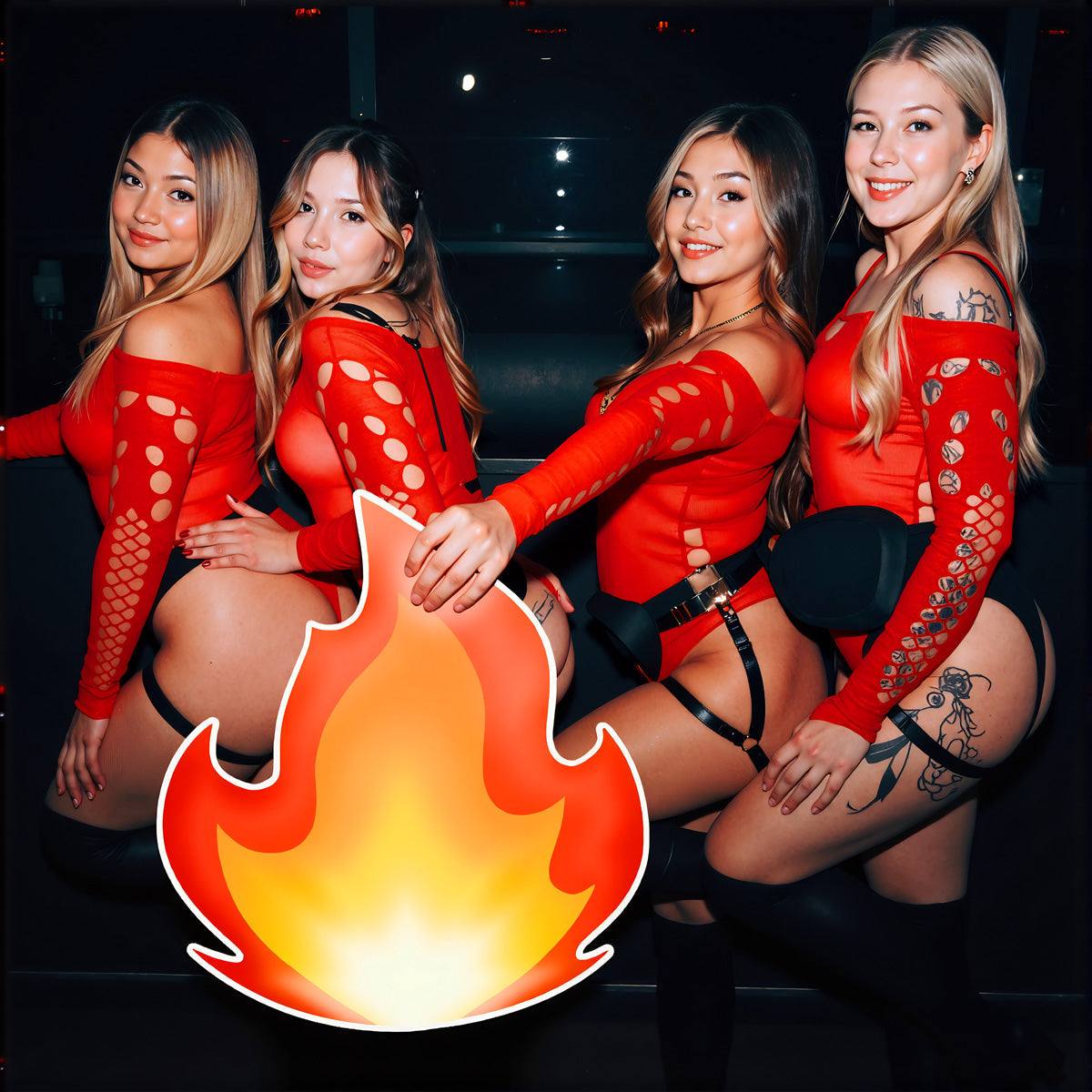
A nightclub is a late-night entertainment venue built around music, energy, and a party atmosphere. The layout is usually designed to support movement, dance floors, open standing areas, and VIP sections rather than quiet seating. In many clubs, the experience is curated: lighting, sound, and the DJ’s set are all intended to build momentum throughout the night. Because of that, nightclubs often have stricter entry rules, tighter security, and more premium pricing than a typical bar.
- DJ or live music is the main feature
- Dance floor and high-energy crowd
- Club lighting and visual effects
- VIP tables, sections, and bottle service
- Door staff, security, and age requirements
- Dress code is often enforced
What Is a Bar?
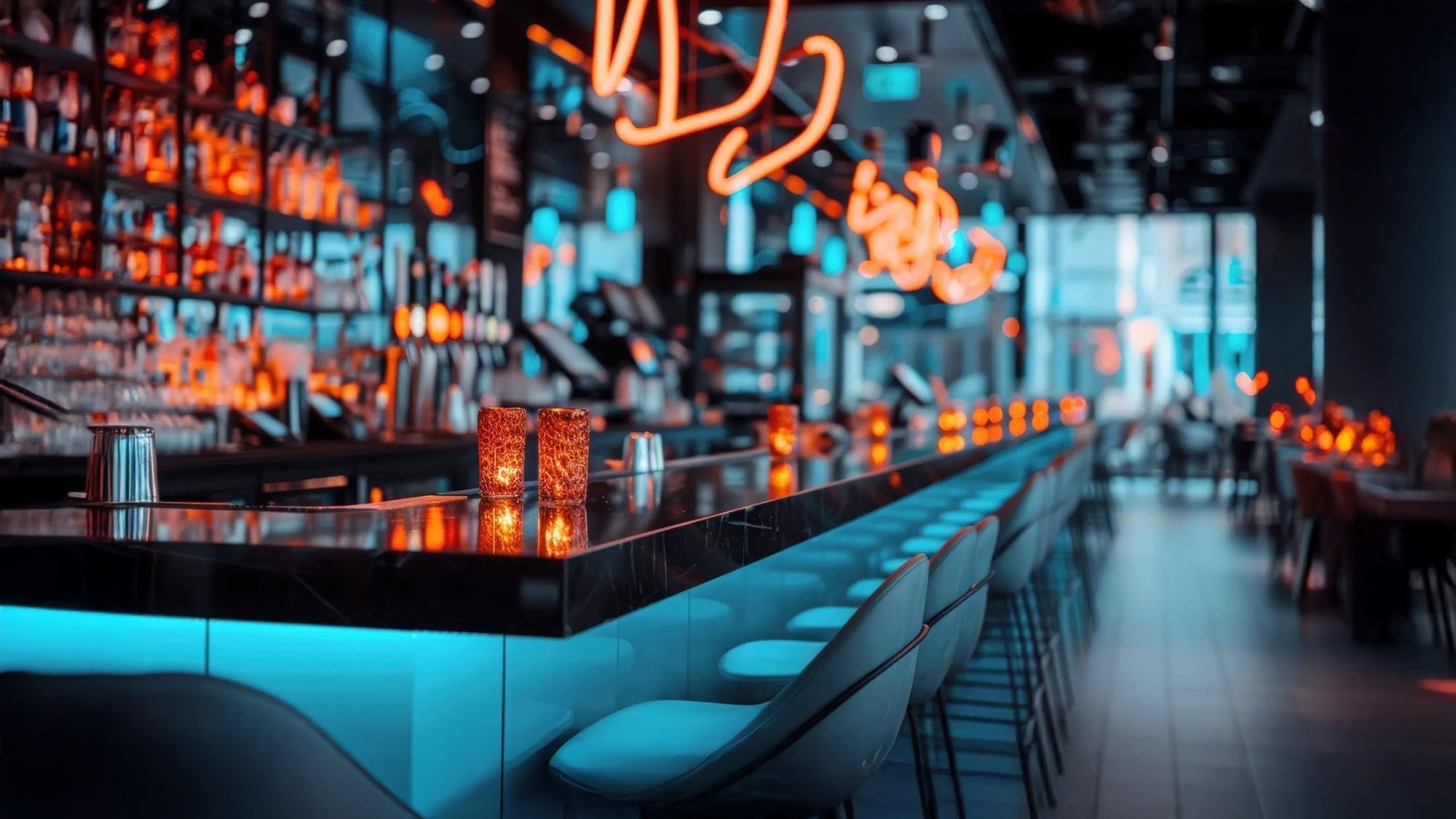
A bar is a venue focused on serving drinks in a casual, social setting. The environment is typically calmer than a nightclub, with music at a volume that allows conversation. Many bars are designed for comfort bar stools, booths, and tables and they often attract regulars who come for a relaxed vibe. Bars can still get busy and fun, but the experience is usually built around hanging out rather than dancing for hours.
- Bartender service at a counter
- Seating at stools, tables, or booths
- Background music, jukebox, or TVs
- Casual dress code in most places
- Usually no cover charge
- Lower average drink prices
Nightclub vs Bar: Key Differences
The quickest way to tell the difference is to look at what the venue is optimizing for. Nightclubs optimize for entertainment, status, and high-volume nightlife energy often with VIP seating and a curated experience. Bars optimize for comfort, accessibility, and social conversation. Both can be great; the “better” choice depends on your group, your budget, and whether you want to dance or just hang out.
| Feature | Nightclub | Bar |
|---|---|---|
| Atmosphere | High-energy, loud, crowded | Relaxed, social, casual |
| Music | DJ or live performers | Background music or jukebox |
| Dancing | Main focus | Optional or none |
| Entry | Cover charge or guestlist | Usually free |
| Drinks | Bottles, cocktails, champagne | Beer, cocktails, shots |
| Pricing | Higher overall | More affordable |
| Seating | VIP tables and booths | Bar stools and tables |
| Dress code | Often enforced | Usually casual |
| Hours | Late-night focused | Afternoon to late-night |
Music and Entertainment
Nightclubs are designed around the music, so the sound system is typically louder, bass-heavy, and engineered for the dance floor. DJs (or live performers) set the pace of the night starting slower early on and building to peak energy later. Lighting and effects also play a role, which is why clubs feel more like an “experience” than just a place to drink. Bars usually keep music in the background so conversation stays comfortable.
Crowd and Vibe
The crowd is one of the biggest differences. Nightclubs attract people who want to dress up, celebrate, and be part of a high-energy scene often with birthdays, bachelor/bachelorette groups, and nightlife tourists. Bars attract a wider mix: locals, regulars, after-work crowds, and groups who want to talk without yelling.
Drinks and Pricing
Bars typically sell drinks one at a time beer, cocktails, and shots so you can control your spending as you go. Nightclubs often push premium liquor and bottle service because it fits the VIP experience and group spending. It’s also common for clubs to add a cover charge, plus higher drink prices inside due to demand and overhead.
Dress Code
Nightclubs often enforce a “dress to impress” standard to keep the venue feeling upscale and curated. Bars are usually far more relaxed, especially neighborhood bars and sports bars, where comfort is part of the vibe.
Entry and Lines
Nightclubs often manage entry like an event: lines, ropes, guestlists, door checks, and sometimes ticketing. Bars are typically walk-in friendly, with little to no wait unless it’s a major sports night or a small space.
Which Should You Choose?
If dancing, loud music, and a “big night out” feel are the goal, a nightclub is the obvious pick. If you want conversation, a more relaxed pace, and the ability to come and go without cover charges, a bar makes more sense.
Frequently Asked Questions
Final Thoughts
Bars and nightclubs both serve alcohol and offer a social atmosphere, but they’re built for different kinds of nights. Bars are ideal for casual drinks and conversation. Nightclubs are built for dancing, energy, and VIP nightlife experiences.